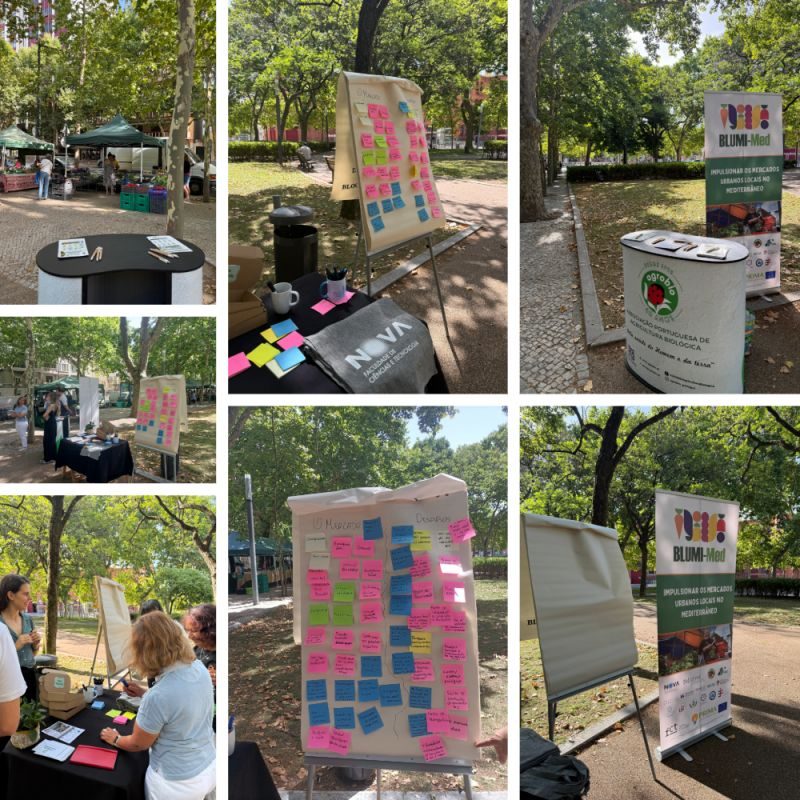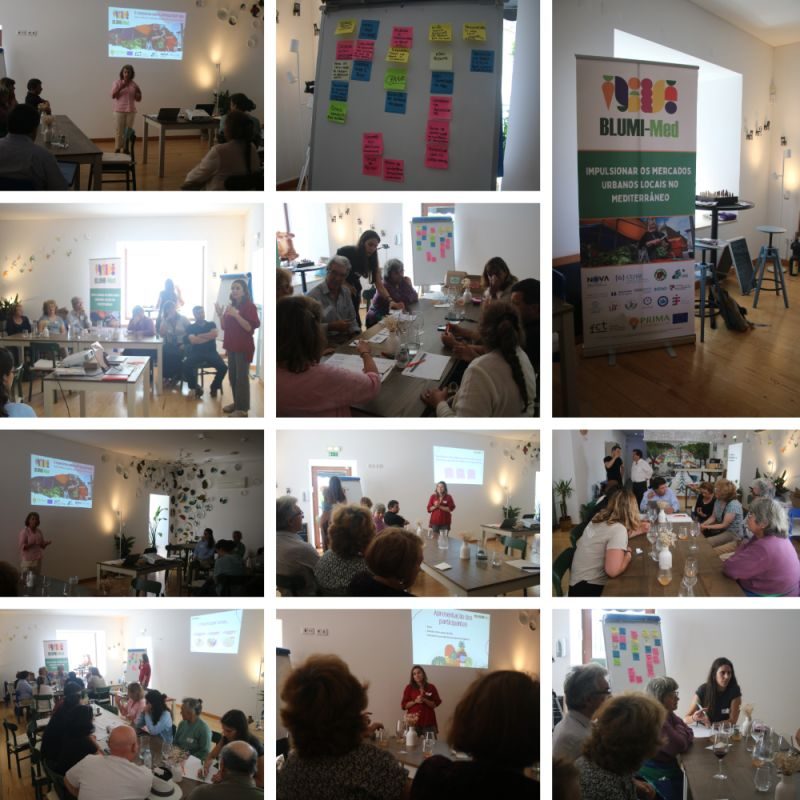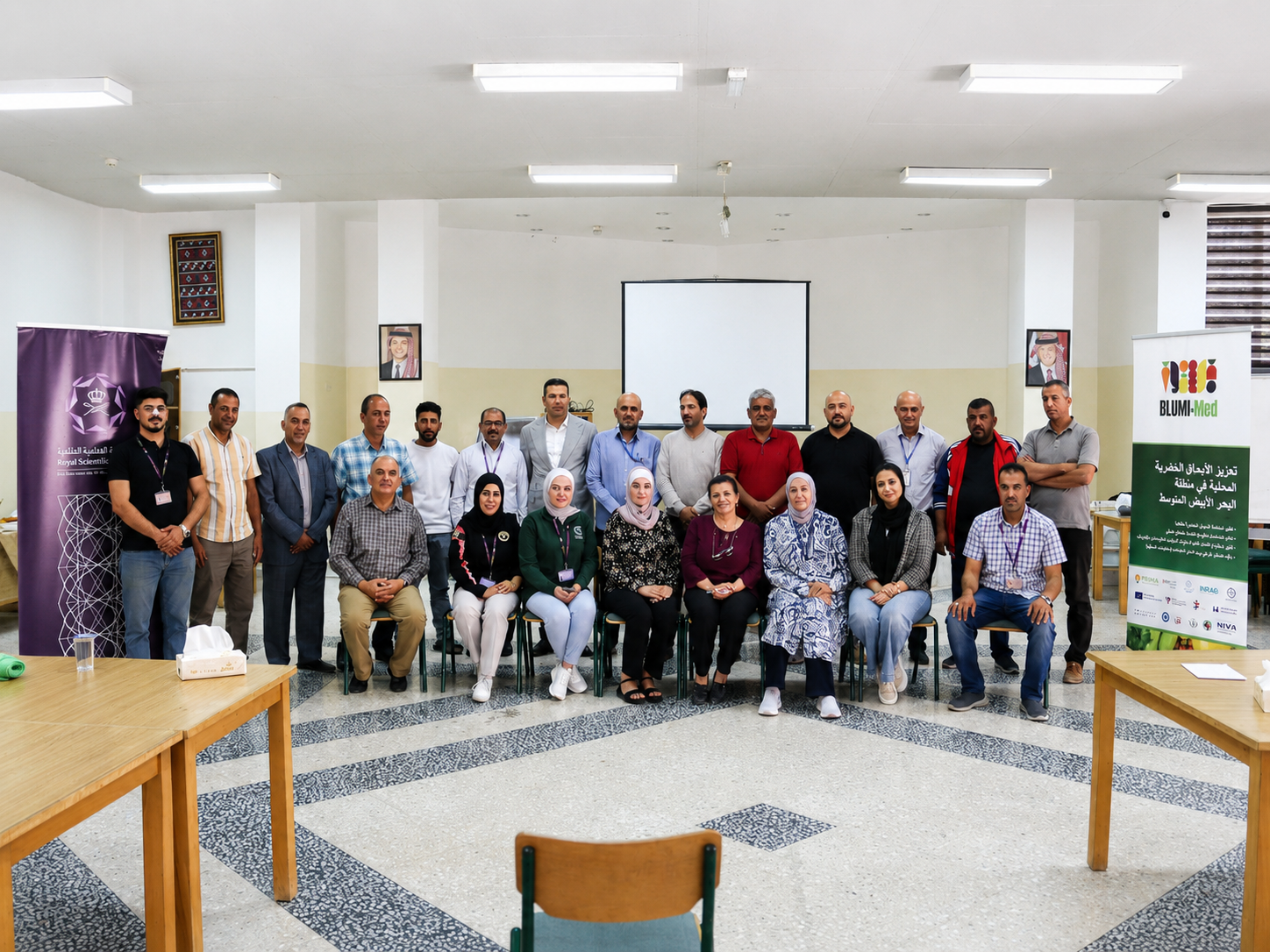


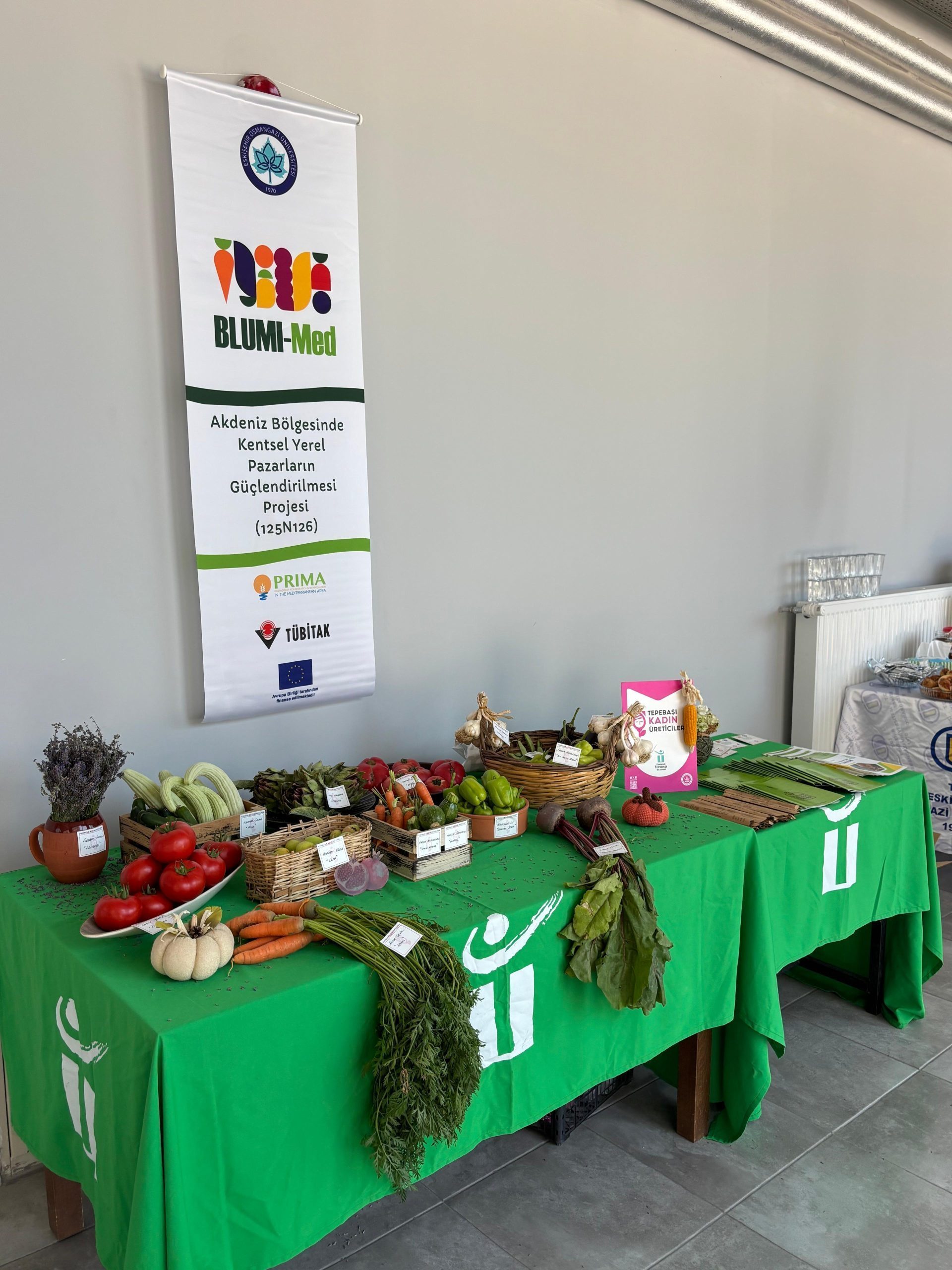
On 22 July 2026, a multi-stakeholder workshop was held at the Faculty of Agriculture of Eskişehir Osmangazi University to discuss the Tepebaşı Municipality Women Producers’ Product Sales Point in Eskişehir. Conducted within the scope of the BLUMI-Med Project, the workshop aimed to provide a holistic overview of the current status of the sales points, characterize the challenges women producers face in production and marketing processes, and open preliminary ideas for practical solutions to these challenges for discussion.
The workshop’s invitee and participant list included a total of 57 individuals and representatives, 17 of whom were women producers and vendors from different neighborhoods and rural settlements. The invitee profile included the relevant departments of Tepebaşı Municipality and the Metropolitan Municipality, as well as representatives of other local governments and public institutions such as the Provincial Directorate of Agriculture and Forestry, the Provincial Directorate of Trade, the Governor’s Office, TKDK, and BEBKA. Academics from ESOGÜ, ESTÜ, and research centers; representatives of chambers of agriculture and market vendors, the city council, the women entrepreneurs’ board, the association of neighborhood heads, and other professional and civil society organizations; and consumer stakeholders also contributed to the workshop. This diversity enabled the market’s economic, social, governance, and environmental dimensions to be considered from different perspectives.
The workshop began with a project introduction presentation explaining the scope and objectives of the BLUMI-Med Project and the importance of the Tepebaşı Municipality Women Producers’ Product Sales Point as a case study. Following the presentation, four activities were carried out to achieve the workshop’s stated objectives: interaction among participants was strengthened through introductions and warm-up activities; key problems were then collected using the card technique and discussed jointly with participants through visual harvesting. The identified problems were classified, clustered under headings aligned with the IMSA themes, and the highest-priority problem areas were determined through participant voting.
To develop solutions for the prioritized problems, participants took part in thematic group work based on the World Café method. The group work, conducted under the themes of governance and socioeconomics, products and the value chain, infrastructure and the environment, and the future of the market and innovation, consisted of three rounds: exploring the problems, establishing cross-group interaction, and transforming the proposals into a shared synthesis. The IMSA criteria, covering topics such as sustainable production, climate change, food prices, social inclusion, and the circular economy, were then assessed in light of participants’ field experience and validated for their suitability to local conditions.
The findings obtained from the workshop and the participants’ feedback contributed to a better understanding of the strengths, needs, and areas for improvement of the Tepebaşı Municipality Women Producers’ Product Sales Point. The shared assessments represented an important milestone in economically and socially empowering women producers, increasing the market’s visibility and accessibility, improving its governance and organizational structure, and supporting its long-term sustainability. These outputs will guide work in the project’s subsequent stages to make the case studies more sustainable, inclusive, and welfare-enhancing.